

Neurovascular Case Study Textiles Braiding and Engineering

Case Study: Textile Engineering Accelerates Neurovascular Device Development Background & Challenge Benchtop evaluation and animal studies for a new biodegradable neurovascular device were set to begin in just a few weeks. There was just one problem, though: the device prototype had yet to be completed. The original development partner was facing resource constraints and could […]
Cardiovascular Case Study Polymer Extrusion and Reverse-engineering
Reverse-engineered Woven Textile Component Prevents Supply Disruption of Cardiovascular Device Background & Challenge The supply flow of an FDA-approved cardiovascular device was under threat. The polyester yarn used in the device had been discontinued, and the manufacturer that supplied the woven textile component could no longer dedicate resources to investigating a replacement yarn. As device […]
Aerospace Performance Materials Case Study Antenna Mesh

Custom-engineered Knit Gold Antenna Mesh Enables Groundbreaking Cube Satellite Missions Background & Challenge An aerospace company had developed a cube satellite that demonstrated a substantial increase in data communication rates at the same power input as the previous technology. However, the satellite still needed a reliable mesh that could fold into small stowing compactions, smoothly […]
The Evolution of Structural Heart Innovations
Structural heart innovations have transformed treatment for patients who once faced open heart surgery as their only option. As minimally invasive procedures like transcatheter aortic valve replacement (TAVR) gained ground, device developers began facing new engineering challenges to solve: smaller delivery systems, improved sealing performance and reliable manufacturability at scale without compromising quality or patient […]
Streamline Medical Device Design By Engaging Early With a Biomaterials Expert

Medical device design starts at raw material selection. However, medical device and delivery system manufacturers often need foundational guidance about medical device textiles and polymers — how they’re made, how they function inside a device, and how to choose the right materials based on application. Different considerations often apply to raw material selection, prototyping, and […]
Sketch To Scale: The Importance Of Relationship-Building At The Prototyping Stage

Medical device and delivery system component suppliers who provide textile- and polymer-based components for Class II & Class III implantable medical devices are critical to a device manufacturer’s success, whether the manufacturer is a large, established organization or a young start-up still in the early stages of research and development (R&D) and prototyping. The product […]
Q&A: Solesis’ Perspectives on Building Strong Textile and Polymer Medical Device Component Partnerships
A conversation with Andrew Metzger, Sr. Director, Corporate Strategy, Solesis In this Q&A, Andrew Metzger, Senior Director, Corporate Strategy, Solesis, explores why medical device manufacturers should partner with an experienced biomaterials supplier that can design, develop, and scale-up textiles and polymer-based solutions for life-saving implantable vascular, general surgery, and biopharma applications. Specifically, Andrew addresses the […]
Medical Device Design: The Benefits of Partnering Early with an Expert Textile Supplier
Medical textiles and polymers are critical components of implantable medical devices. Whether they’re designed for vascular or general surgery applications, implantable medical devices and delivery systems rely on many components that work together synchronously to enable and enhance patient quality of life. How do these biomaterials fit into the big picture? Textiles have many diverse […]
Implantable Biomaterials Revolutionize Neurovascular Devices

In the neurovascular device segment, development is focused on minute, precision devices delivered via micro-catheters. The overarching challenge is to create components that maximize performance within a minimal deliverable profile. That’s where biomaterials come in. A Growing Need Most neuro-interventional procedures focus on aneurysm repair. According to the OHSU Brain Institute, nearly 30,000 people suffer […]
Choosing Wisely: Optimizing Medical Textiles To Enhance Cardiovascular Devices
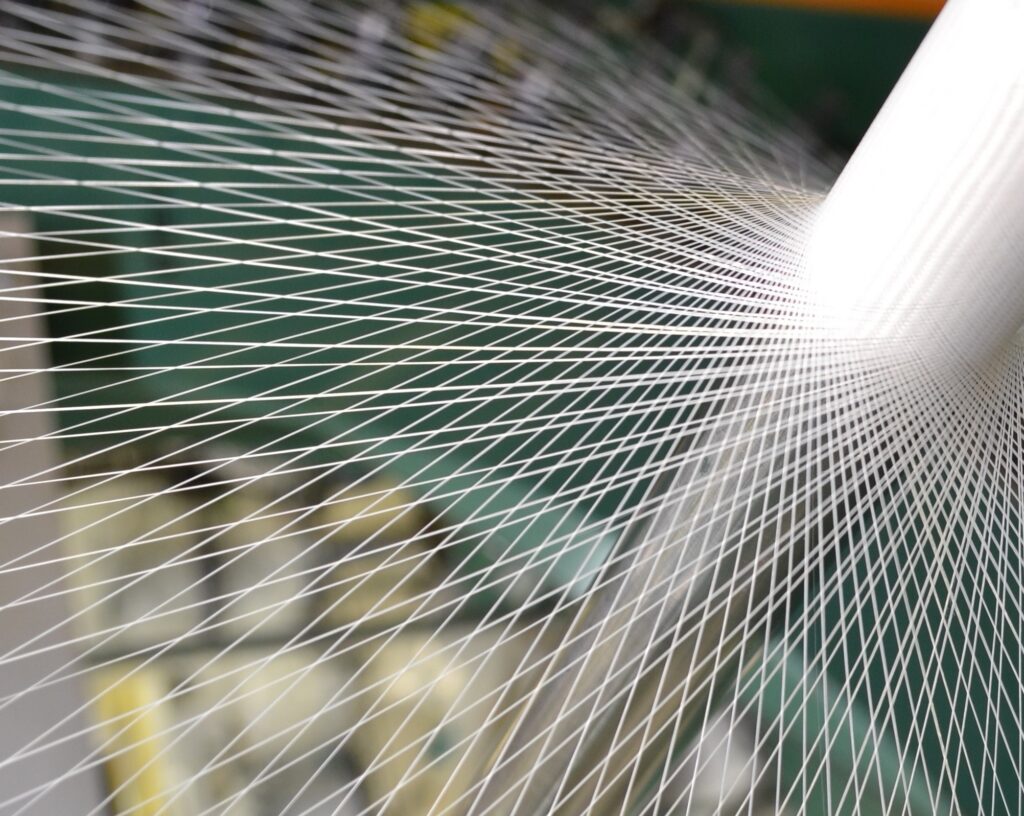
Implantable medical textiles, originally used as sewing skirts for suturing valves in the heart during open-heart surgery, have been evolving since the industry transitioned from surgical valves to minimally invasive transcatheter devices. The ubiquity of minimally invasive heart procedures such as transcatheter aortic valve replacement (TAVR) has helped to demonstrate the versatility of implantable medical […]