

A conversation with Andrew Metzger, Sr. Director, Corporate Strategy, Solesis
In this Q&A, Andrew Metzger, Senior Director, Corporate Strategy, Solesis, explores why medical device manufacturers should partner with an experienced biomaterials supplier that can design, develop, and scale-up textiles and polymer-based solutions for life-saving implantable vascular, general surgery, and biopharma applications.
Specifically, Andrew addresses the following:
- the role of textile and polymer components in medical devices and delivery systems
- why it’s important for manufacturers to partner with a biomaterials supplier early,
- and the three qualities manufacturers look for in a supplier partnership.
When people think of medical devices, textiles and polymers probably don’t come to mind. How do these materials function within medical devices?
Textiles and polymers play a critical enabling role in long-term implantable medical devices, such as vascular grafts, stent coverings and coatings, heart valve repair and replacement systems, aneurysm occlusion devices, hernia meshes, and films, just to name a few. The flexibility and fibrous nature of textiles mimic the body’s natural properties, making them ideal for applications requiring strength, compliance, and adaptability, whereas polymer films and coatings can provide sealing and surface properties.
Medical textiles and polymers have enabled the evolution of minimally invasive surgeries by supporting complex device designs in compact, flexible structures. Depending on the manufacturing technology – braiding, knitting, or weaving for textiles, and dip and extrusion technologies for coatings and films <link to 2.1.5 Forming Processing Techniques> – these biomaterials can create or seal blood conduits, reinforce anatomy, and even replace biological structures. Their versatility makes them a cornerstone material in modern medical device innovation.
How would you summarize Solesis’ work with medical device manufacturers?
We partner with medical device and delivery system manufacturers to custom design textile- and polymer-based components for next-generation implantable devices in the vascular, and general surgery spaces. Our primary strength is in collaborating with customers to create textile and polymeric solutions that align with their product designs, ensuring optimal performance to support their efforts to improve patient outcomes. 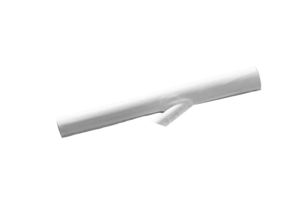
Partnerships ideally start with a discussion as early as possible in the device design phase. The conversation can quickly turn to our readily available, off-the-shelf fabrics and films, which we proactively manufacture based on predicate devices and industry trends. For example, medical device manufacturers can take a fabric panel and, working with our textile engineers, continuously modify it (e.g., 2D and 3D laser-cutting; welding, sealing, and sewing; thermoforming, or crimping) during the prototyping phase to ensure the textile component meets the unique requirements of their device. The availability of these off-the-shelf medical grade fabrics and films helps device manufacturers streamline the prototyping phase, ultimately accelerating device development so their life-saving innovations can reach patients more quickly.
You mentioned that it’s ideal to begin the conversation as early as possible when designing components for medical devices. Why is that?
Solesis is a full-service textile and polymer-based solutions manufacturer, capable of managing the entire development process. Starting with raw materials, we move through the design, prototyping, and production phases, finishing with final product delivery.
Our sketch-to-scale approach ensures that we can take a concept – even at its earliest stages – and transform it into a scalable product. This is a reflection of our decades of experience, which enables us to be agile, regardless of whether we’re supporting startups with initial prototypes or scaling up production to meet the demands of large medical device manufacturers.
We support customers throughout the entire product lifecycle. From a simple concept or initial prototype – often based on rough sketches – we help prove feasibility, conduct design verification and validation, and progress through to commercial production. 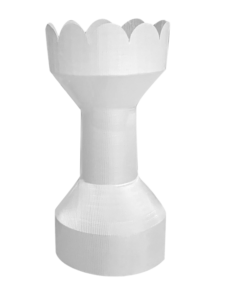
Our facilities and resources are designed to handle both small prototype batches and high-volume commercial production, enabling us to cater to diverse customers. Again, this approach is particularly valuable for startups who need low-volume prototypes and for large companies requiring scalable manufacturing solutions. We like to say we start at the “sketch” phase because it helps manufacturers proactively identify potential issues (e.g., biocompatibility) as early as possible during the design phase, enabling them to better manage challenges that could potentially delay commercialization.
What should medical device manufacturers typically look for from a textile and polymer manufacturing partner, especially if they’re seeking a long-term business relationship?
Device manufacturers should look for three key factors in a manufacturing partner:
- Quality: When it comes to textiles and polymers used in critical long-term implants, ensuring consistent, high-quality manufacturing is non-negotiable. With ISO 13485-certified facilities, Solesis’ rigorous quality systems<link to 3.2 Quality>are designed to meet stringent standards for implantable medical devices.
- Speed to market: Manufacturers need rapid prototyping and efficient development cycles so they can stay competitive. Our streamlined processes and in-house finishing capabilities (e.g., post-processing) ensure quick turnaround for prototypes and accelerated commercialization.
- Flexible partnerships: Device manufacturers value partners who can adapt to their specific needs, whether it’s supporting larger projects with milestone-based timelines (e.g., proof of concept, iterative scopes of work, feasibility, or validation), offering strategic collaborations, or handling high-volume production. Our business models are designed to accommodate organizations of all sizes and stages.
Supply chain issues can impact a project. How does Solesis prepare for these challenges?
We mitigate supply chain risks by maintaining an extensive inventory of raw materials, such as yarns and resin, which allows us to respond rapidly to customer needs. Additionally, we establish multiple approved suppliers for key materials such as yarns, resins, packaging materials, and chemicals, creating redundancy and reducing lead time risks. This dual approach ensures we can support early-stage development projects and provide reliable supply for long-term commercial programs.
The biggest therapeutic area for medical devices that Solesis serves is the structural heart space. How are you addressing current and future market needs?
The vascular market is experiencing significant growth, particularly in transcatheter heart valve repair and replacement, and mitral and tricuspid therapies. Minimally invasive devices like transcatheter aortic valve replacement (TAVR) systems are driving demand for innovative materials that balance flexibility, durability, and biocompatibility.
To address these needs, we are proactively investing in new materials and acquiring advanced manufacturing equipment while continuing to develop off-the-shelf fabrics. These initiatives enable rapid device development while giving medical device manufacturers the confidence to focus on other aspects of their devices, such as preparing for clinical trials. By staying ahead of market trends, Solesis ensures that our capabilities evolve alongside customer needs.
Is there anything else you’d like to add?
At the end of the day, textiles and polymers are essential enabling solutions for modern medical devices and delivery systems. We are more than just a supplier – we’re a strategic partner dedicated to innovation and collaboration from start to finish. Our goal is to help customers bring their visions to reality so they can impact patient lives more quickly.
Spark Your Next Innovation with Solesis
At Solesis, we’re ready to partner with you, combining fresh thinking and proven expertise to help you realize the next breakthrough in vascular and surgical care.