The Transformative Role of Biomaterials
Life-changing Applications and Benefits in Healthcare - and Beyond
A new era of applied biomaterial solutions is emerging — and Solesis is at the forefront of transforming the future of life-changing therapies as we help medical innovators build solutions that deliver better patient outcomes and foster innovation that lasts.
Understanding Material Integration in the Body
The success of an implantable medical device, delivery system, or single-use solution assembly depends on understanding how materials integrate with the body across a wide range of therapeutic areas.
MedTech and Pharma
The way a material interacts with biological systems influences function, long-term safety, efficacy, biocompatibility, tissue response, and integration/regeneration in the body. These critical points must be carefully evaluated when developing solutions for vascular, wound-healing, and drug-delivery applications.
Life Sciences
Likewise, understanding how polymer-based materials interact with fluid-based therapies - such as cell and gene therapies and monoclonal antibodies - is critical for ensuring that material choices serve to enable the safety and efficacy of these novel therapeutics.
By anticipating and designing for these complex interactions, Solesis helps medical innovators apply biomaterial solutions to create devices and therapies that promote healing, reduce complications, and deliver meaningful improvements in patient outcomes.

How Solesis Makes a Material Difference
When designing components with synthetic and bioresorbable polymers, medical textiles, and hybrids for medical innovations, Solesis fine-tunes the unique properties and benefits of each material type to meet specific requirements, enabling tailored solutions across a broad spectrum of applications.
Polymer Processing
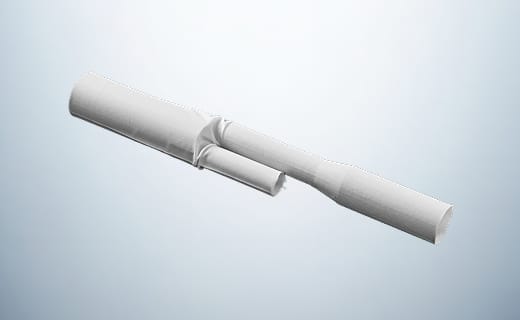
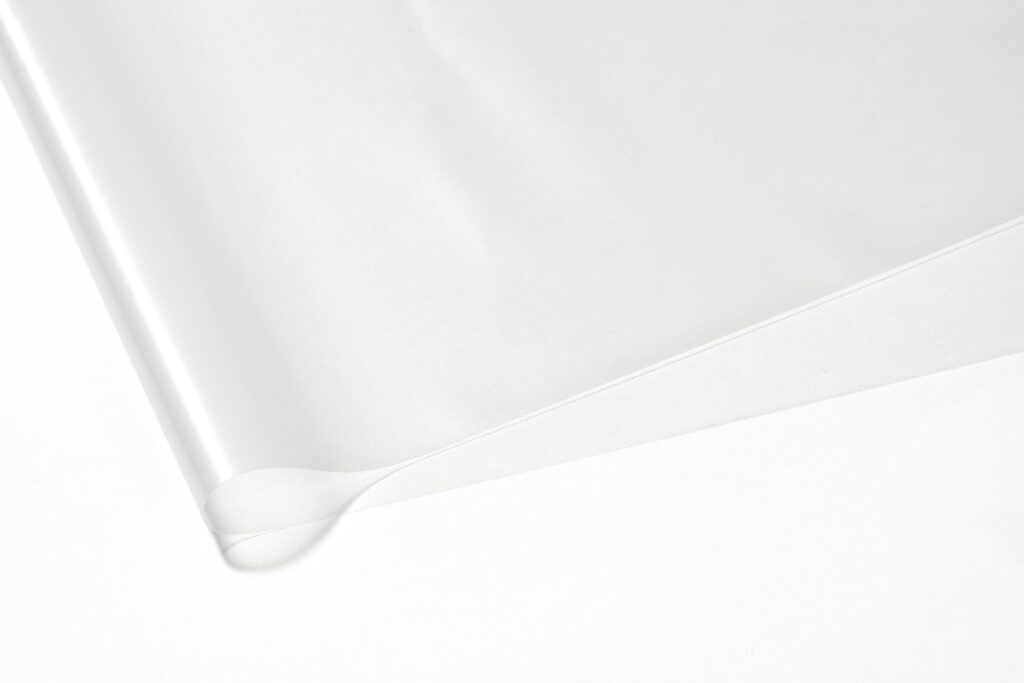
When engineered with precision, synthetic polymer materials can exhibit highly tunable properties—such as flexibility, strength, biocompatibility, and controlled degradation—making them indispensable for critical applications such as:
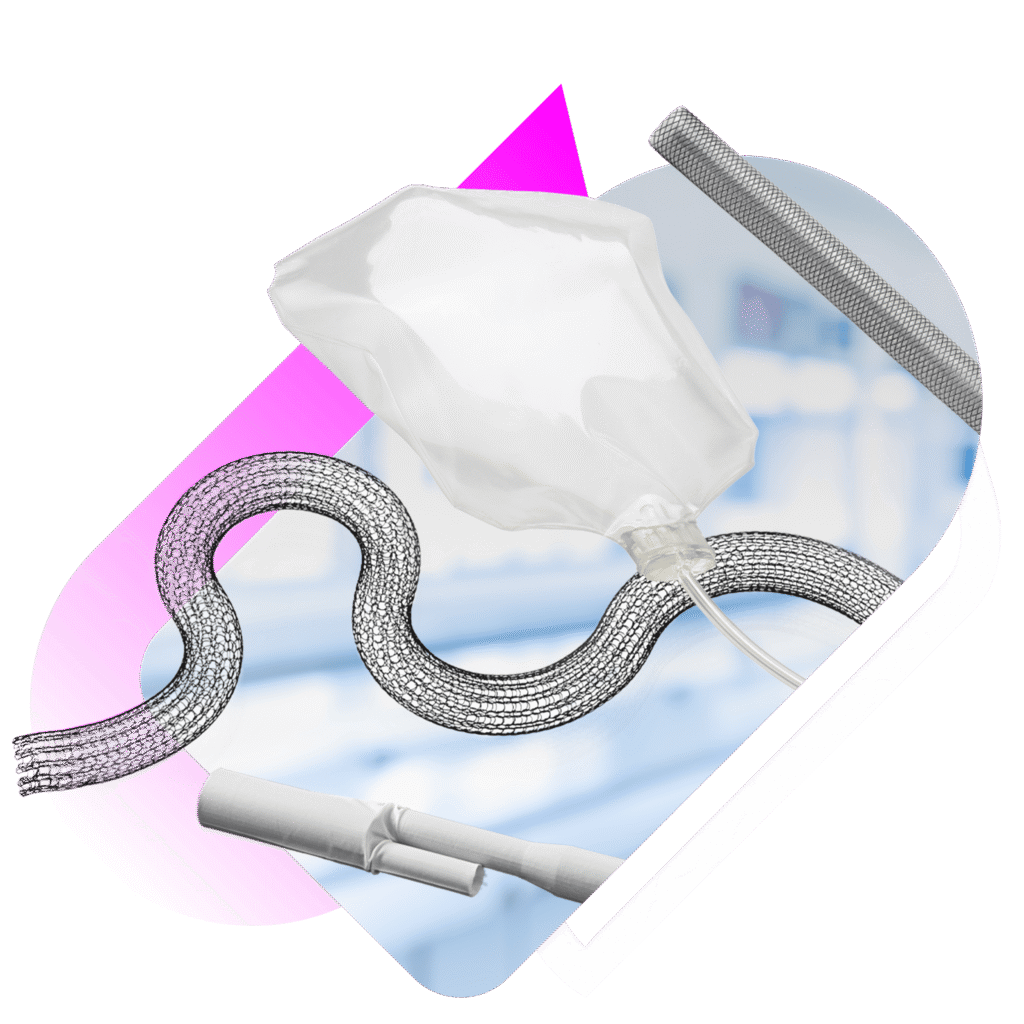
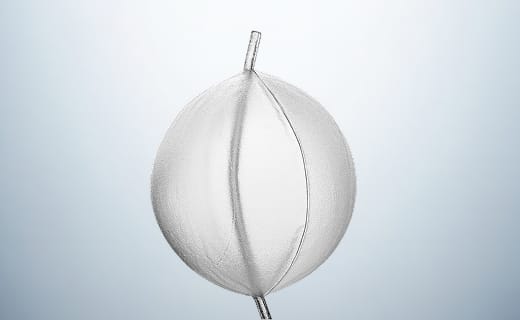
- Implantable medical devices for vascular and surgical applications—such as stent coatings and catheter delivery systems that rely on polymer-based sheaths or balloons.
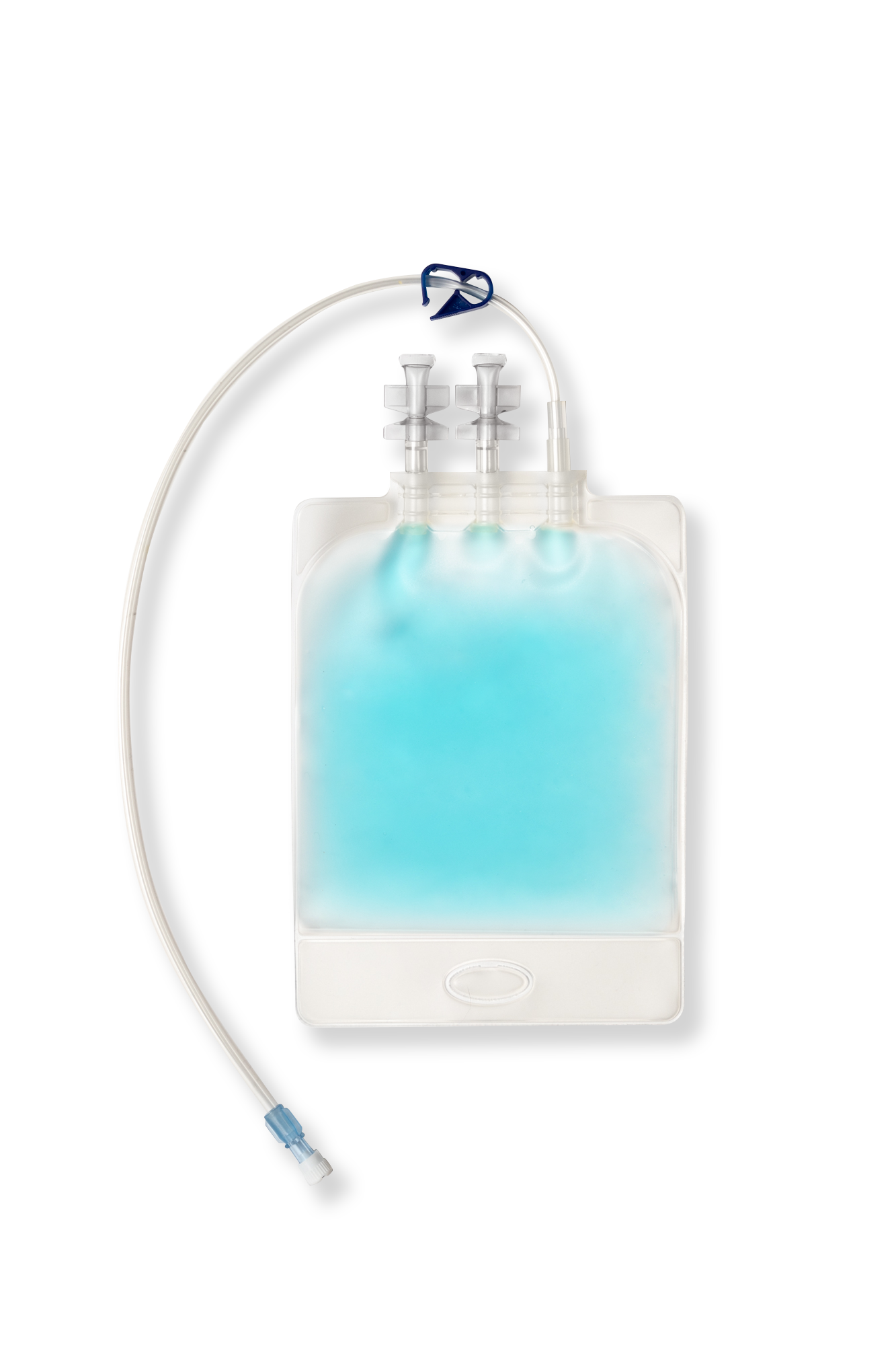
- Single-use solutions like bio-containers for blood, cell-based fluids, or buffers that enable bioprocessing workflows and biopharmaceutical production for life-saving therapies.
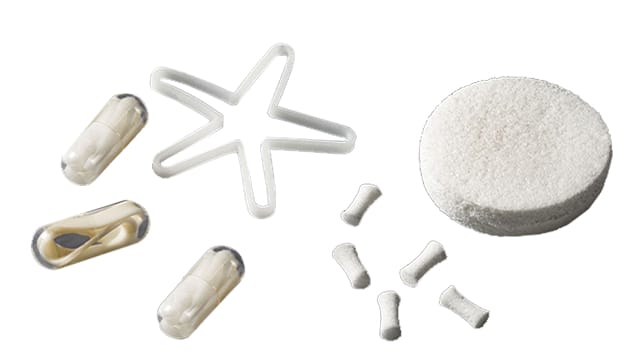
- Bioresorbables used in sutures, drug-delivery systems, and tissue-engineered scaffolds.
- Performance materials for electronic coatings, aerospace films, and fluid-transfer bladders.
Challenges Polymers Solve
- Aesthetics (e.g., color, opacity, touch)
- Anti-static
- Biocompatibility
- Collapsibility
- Durability
- Electrical integration
- Flexibility
- Layering
- Lubricity/coefficient of friction (CoF)
- Opacity
- Sealability
- Seamlessness
- Smaller profiles
- Smoothness/softness
- Stretchability
- Stickiness
- Surface finish
- Thickness
- Tissue regeneration
- Uniformity
- Weldability
- Polyurethanes (TPU)
- Silicones
- Thermoplastic elastomers (TPE)
- Polyamides (Pebax®, Nylons)
- Polyesters (Hytrel®, Arnitel®)
- Ethylene vinyl acetate (EVA) / olefins
- Polyvinyl Chloride (PVC)
- Fluoropolymers (PVDF)
- Polyethylenes (PE)
- Polyglycolide (PGA)
- Poly(L-lactide) (PLLA)
Hydralese® Bioresorbable Polymer Platform
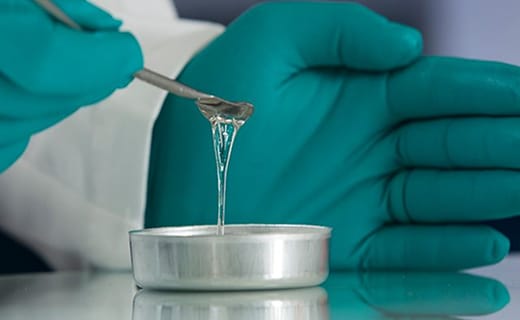
Bioresorbable polymers play a foundational role in advancing healthcare by enabling the development of devices and therapies that interact safely and effectively with the human body. With decades of polymer expertise supporting our proprietary Hydralese® biomaterial platform, Solesis can fine-tune biocompatibility, bioresorbability, and elastomeric properties to deliver exceptional performance across applications such as:
- Drug delivery using Hydralese®Rx to develop custom excipients for delivering small-molecule active pharmaceutical ingredients (APIs) and biologics
- Transfection using Hydralese®Tx for gene delivery of nucleic acids, including mRNA and pDNA
- Regenerative medicine using Hydralese®MT for bioresorbable coatings on medical devices that enhance integration and patient outcomes
Challenges Bioresorbable Polymers Solve
- Biocompatibility
- Flexibility/Elasticity
- Degradation
- Release kinetics
- Tissue integration
- Biological payload delivery
Types of Materials Used in Bioresorbable Processing at Solesis
- Hydralese®Rx
- Hydralese®Tx
- Hydralese®MT
Textiles
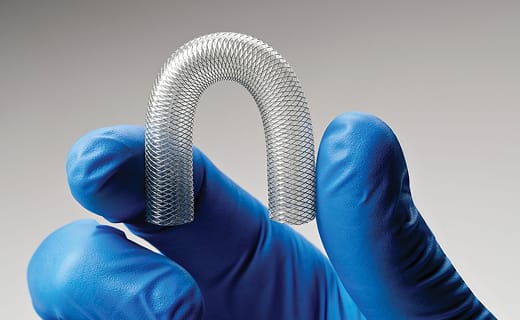
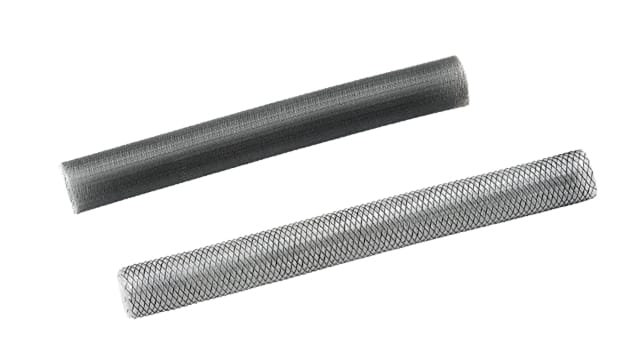
Meet specific clinical and mechanical requirements by fine-tuning material properties such as durability, porosity, 3D dimensionality, and biocompatibility. Through precise manufacturing processes, innovators can design medical fabrics that enable minimally invasive procedures, accelerate biological restoration and patient recovery. Applications include:
- Implantable medical devices such as vascular grafts, heart valve components, and hernia meshes
- Tissue-engineered scaffolds and regenerative medicine matrices that provide structural support and promote cell growth for next-generation tissue and organ repair
- Performance materials for electromagnetic interference reduction and filtration solutions.
Challenges Textiles Solve
- 3D dimensionality
- Compactibility
- Conformability
- Covering/protection (e.g., cushioning)
- Flexibility
- High density
- High surface area
- Load bearing
- Low creep
- Low profile
- Low stretch
- Permeability
- Sealing
- Stability
- Strength
- Suturability
- Thickness
- Thinness
- Tissue ingrowth
Types of Materials Used in Textile Processing at Solesis
- Polyethylene terephthalate (PET)
- Polyether ether ketone (PEEK)
- Polytetrafluoroethylene (PTFE)
- Polyvinylidene fluoride (PVDF)
- Polypropylene (PP)
- Ultra-high molecular weight polyethylene (UHMWPE)
- Bioresorbable materials (PLA, PLGA, etc.)
- Specialty alloys (NiTi, CoCr, Pt, etc.)
Hybrids
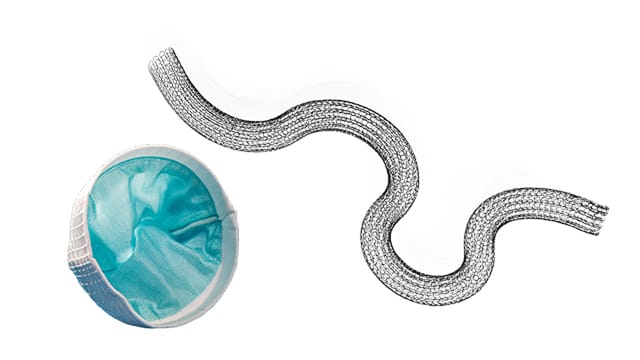
Hybrid materials, created by integrating the strengths of polymers and medical textiles, are enabling next-generation devices that meet increasingly complex clinical needs. As medical challenges evolve, these versatile materials are reshaping medical innovation by delivering strength, flexibility, biocompatibility, and multifunctional performance in applications such as:
- Implantable medical devices such as coated vascular grafts
- Delivery systems such as textile-reinforced balloons
- Multifunctional wound dressings and tissue-engineering scaffolds that combine structural support with biological functionality
Challenges Hybrids Solve
- 3D dimensionality
- Biocompatibility
- Conformability
- Covering
- Durability
- Electrical integration
- Layering
- Lubricity/coefficient of friction (CoF)
- Permeability
- Sealing
- Stability
- Strength
- Tissue ingrowth
- Sealability
Types of Materials Used in Hybrid Processing at Solesis
- Polyethylene terephthalate (PET)
- Polyether ether ketone (PEEK)
- Polytetrafluoroethylene (PTFE)
- Polyvinylidene fluoride (PVDF)
- Polypropylene (PP)
- Ultra-high molecular weight polyethylene (UHMWPE)
- Polyurethanes (TPU)
- Silicones
- Thermoplastic elastomers (TPE)
- Polyamides (Pebax®, Nylons)
- Polyesters (Hytrel®, Arnitel®)
- Ethylene vinyl acetate (EVA) / olefins
- Polyvinyl Chloride (PVC)
- Fluoropolymers (PVDF)
- Polyethylenes (PE)
- Bioresorbable materials (Hydralese®, PLA, PLLA, PLGA, etc.)
- Specialty alloys (NiTi, CoCr, Pt, etc.)
Resources
Learn more about how we support your innovation
Pushing Past the Boundaries of Materials—Together
At Solesis, we combine fresh thinking and proven expertise in biomaterials and how best to apply them to help you realize your next breakthrough.