
Medical device and delivery system component suppliers who provide textile- and polymer-based components for Class II & Class III implantable medical devices are critical to a device manufacturer’s success, whether the manufacturer is a large, established organization or a young start-up still in the early stages of research and development (R&D) and prototyping.

The product development and prototyping process for medical devices can seem like a daunting endeavor, especially for start-ups who are finding their footing in a vast sea of competition. While medical device manufacturers are faced with a litany of requirements and considerations throughout the development process, selecting the right strategic outsourcing partner for medical textile and polymeric components is a key ingredient of that success.
But what qualities and characteristics should medical device manufacturers of any scale look for in an ideal supplier partner? And how can a potential supplier show that they’re not only capable of moving a project from the R&D stage to full-scale commercialization, but can work as an extension of the manufacturer’s engineering team throughout the process from start to finish?
The answer lies in what many would argue are the cornerstones of any successful relationship: transparent communication and collaboration. Achieving a good rapport with a new partner might seem just as challenging as the product development process itself, but those initial discussions don’t need to be overwhelming—they just need to be open and honest.
Review and Set Expectations at Project Kick-off
Naturally, a medical device manufacturer is excited about their innovative idea. After all, it could potentially disrupt the market and improve patient care globally. However, unchecked enthusiasm can lead to a challenging product development process, potentially impacting project scope, timelines, and budget, and, in the worst-case scenario, cause patient harm.
During the early R&D stage, suppliers must align with the customer on project scope and expectations as early as possible—certainly before committing to any build. Suppliers should learn more about what the device manufacturer is trying to achieve with a medical device and delivery systems and their applications. In turn, the supplier should educate the manufacturer about their capabilities and role in the early-stage product development process so they can begin to understand the path that lay ahead.
The device manufacturer and supplier should align on the following items in their initial discussions:
- Timelines
- Device concept
- Raw materials requirements
- Specifications
- End-use applications
- Goals
- Budget
- Upcoming testing trials
- Regulatory submission requirements
- Expectations for field performance
Once each side has achieved clarity on project scope and needs, the supplier can kick off the feasibility phase and create the first round of working prototypes for the device manufacturer.
Five Essential Assets of a Supplier
The most valuable asset that a supplier brings to the table for both start-ups and established manufacturers is a dedicated team of medical textile and polymeric component and prototyping experts who can provide robust R&D services to meet the manufacturer’s device goals.
Here’s a look into the five essential assets that a supplier team can bring to a medical device project:
- Singular dedication: Forming a cross-functional team helps capture perspectives from a diverse collection of experts and facilitates communication easily, leading to shortened timelines for achieving project goals. This core team includes experts from processing, manufacturing, operations, and quality engineering, assurance, and control.
- Guidance for raw materials selection: New product development truly begins with raw materials selection. Suppliers must ensure that customers are aware of how different materials might impact the regulatory pathway to approval by the U.S. Food and Drug Administration (FDA). An “all inclusive” supplier provides raw materials upon request, manages procurement, and guides the customer towards the right materials to keep product development running smoothly.
- Versatility: Suppliers should present various in-house forming technologies, including:
- Weaving
- Knitting
- Braiding
- Dip molding and coating
- Film extrusion
- Scouring
- Heat-treatment
- Laser-cutting
Product development is often an iterative process during early R&D. While scope is established and documented during initial discussions, projects inevitably evolve, prompting stakeholders to think differently or adopt a new technology into the development process to achieve device goals. Project changes are easier to navigate when the supplier has access to various technologies. This also keeps lead times down. 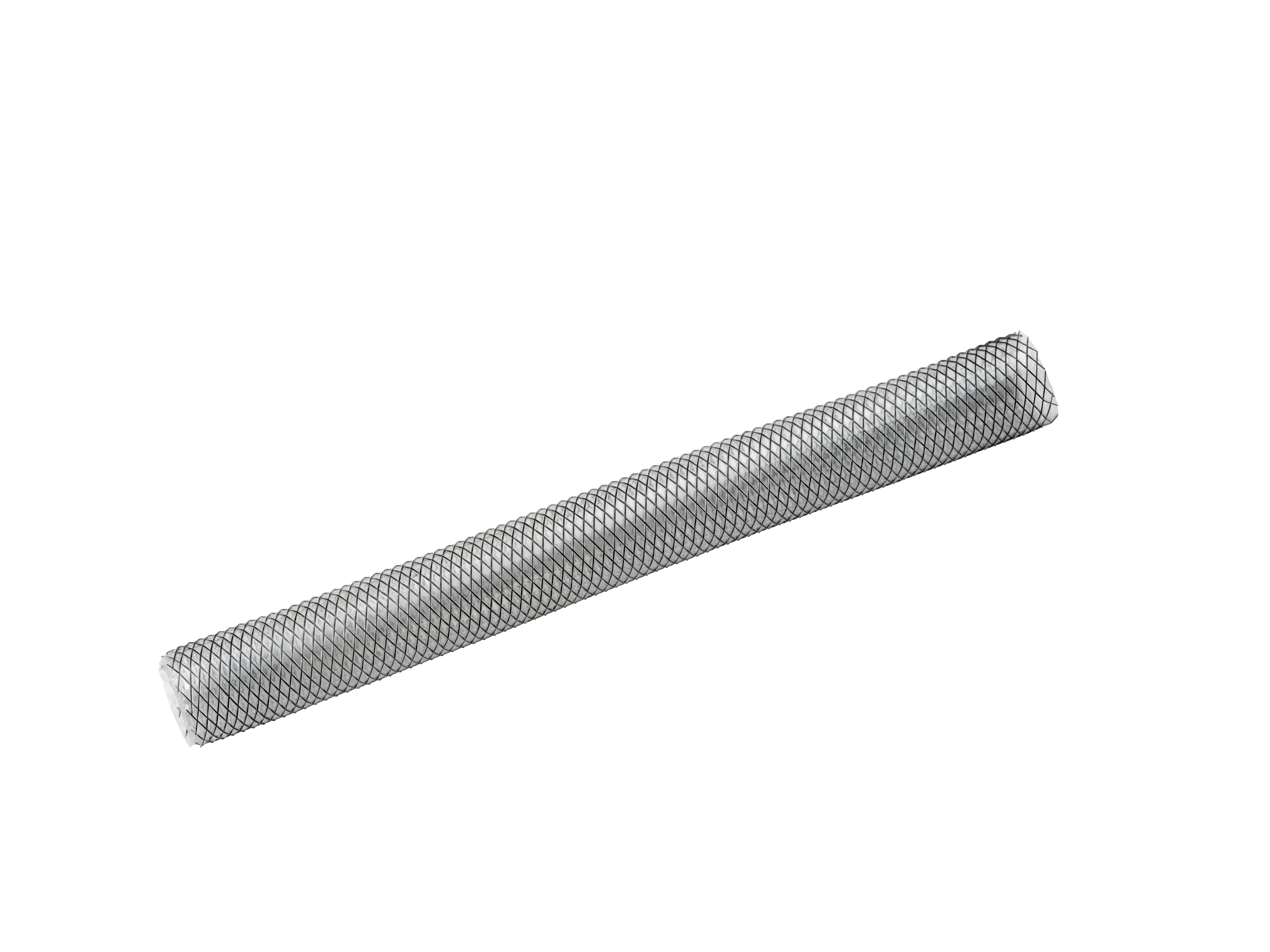
- A proven track record: A mature supplier knows the product development process inside and out. The supplier can easily provide real-world examples of how they can adapt to evolving customer needs and show that they’re up to date on developments in the medical device landscape. Suppliers should be able to prove that they can handle first- and second-year volumes and maintain consistent quality, regardless of quantity.
- Strong project management: Project leaders on the supplier side should ensure frequent communication by engaging in recurring meetings with the device manufacturer team, sharing document folders where appropriate, and encouraging continuous feedback to minimize project lag. At the outset, both parties should define and agree to project expectations (see previous bulleted list) to achieve clarity, establish baseline, and set boundaries.
These five essential supplier partner attributes lay the groundwork for a successful relationship between a medical device manufacturer and supplier, ensuring a seamless transition from the prototyping phase to commercialization.
The Power of Strong Customer Support
At the end of the day, medical device and delivery system manufacturers are looking for a steady supply of components from a reliable supplier for their innovative medical devices, especially in times of uncertainty that could lead to supply-chain disruptions. So, just as manufacturers expect device components to perform the same way every time, they also expect the same customer experience every time they engage with their supplier.
Aside from raw materials supply and in-house capabilities, suppliers must emphasize their appetite for teamwork. Consistent, high-quality customer support is key for bringing a potentially life-saving medical device to market. Suppliers should be able to stand behind a strong, diverse track record and demonstrate how their versatility and expertise has helped manufacturers from start-ups to global enterprises reach their short- and long-term medical device goals.
As an extension of the device manufacturer’s team, the supplier should initiate open and honest communication from the start. A partnership based on strong communication is much more conducive to a successful, collaborative partnership that’s capable of expediting the project lifecycle of a medical device so it can reach patients more quickly.
Spark Your Next Innovation with Solesis
With decades of expertise in biomaterials science, Solesis can help you solve your toughest medical device and delivery system challenges with custom polymer and textile solutions. From material selection and early development through scale-up and commercialization, Solesis can help bring your next breakthrough in vascular, general surgery, biopharma, and performance materials to life.