

Developing Low-Pressure Balloons for Vascular Procedures

Supporting next-generation vascular delivery systems with compliant balloon solutions optimized for minimally invasive procedures. Medical device delivery systems are being designed to navigate increasingly complex anatomy while minimizing trauma and improving procedural control. In many of these systems, low-pressure balloons play a critical role, not as precision dilators, but as compliant, adaptive components that support […]
Developing Low-Pressure Balloons for General Surgery

Supporting next-generation surgical delivery systems with compliant balloon solutions optimized for minimally invasive procedures. Medical device delivery systems are being designed to navigate increasingly complex anatomy while minimizing trauma and improving procedural control. In many of these systems, low-pressure balloons play a critical role, not as precision dilators, but as compliant, adaptive components that support […]
Designing Vascular Access Sheaths for Complex Interventions
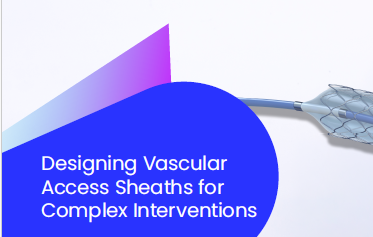
Advancing vascular device performance through optimized low-pressure balloon design. As catheter-based procedures continue to replace open and invasive surgery, delivery systems are being asked to do more than ever before — a shift driven largely in part by rapid advancements in interventional cardiology and peripheral vascular interventions. Procedures for conditions such as peripheral artery disease […]
Designing Catheter Sheaths for General Surgery

Advancing general surgery device performance through optimized low-pressure balloon design. As minimally invasive procedures continue to replace open surgery in many general surgery applications, delivery systems are being asked to do more than ever before. Rapid advancements in endoscopic and laparoscopic techniques are expanding what clinicians can treat through smaller access points, longer instrument paths […]
Solesis Thin and Low Water Permeability Textile Scaffolds with Microdenier Fiber for Cardiovascular Applications SIBF 2025
Low- & Ultra-low- profile Medical Fabric Data Sheet

Solesis’ low-profile medical fabric streamlines the development of next-generation cardiovascular devices to help you meet new and emerging market needs. The engineered properties of low-profile textiles reduce fabric thickness to enable minimally invasive transcatheter delivery. Low-profile medical fabric can be further customized by Solesis’ design team to meet your device performance requirements. Read the full […]
How Radiopaque Polymer Formulations for Medical Devices Enhance Imaging Technology
Custom blending of radiopaque fillers can increase the opacity of catheters and other devices, making them clearly visible under fluoroscopy and x-rays without sacrificing much of the physical properties of the polymers. Radiopaque formulations incorporated into medical device components enable surgeons to view positioning and placement live during the procedure. Proper visualization is key to […]
Exploring the Benefits of Polyurethane Thin-film Welding for Medical Device Applications
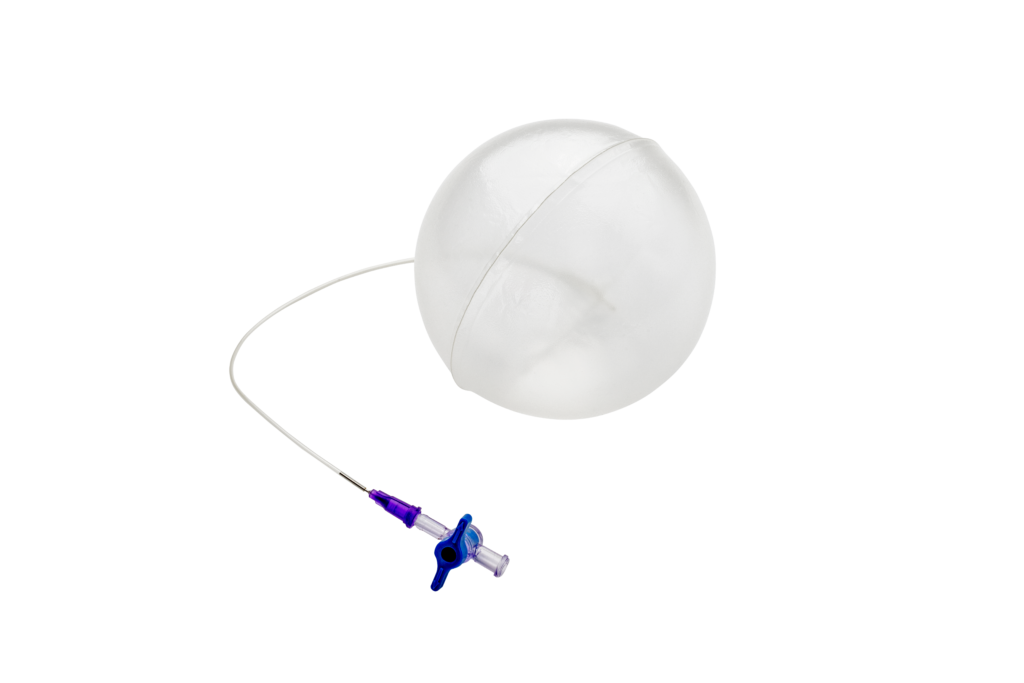
Thermoplastics have been used in flexible medical product applications since the 1960s, when plasticized polyvinyl chloride (PVC) blood storage bags replaced glass bottles.1 In the 1970s, PVC became the material of choice for Band-Aids®, and a decade later the use of polymeric film patches in surgical draping became popular, replacing latex films. Over time, the […]
The Three Types of Film Extrusion Shaping Medical Innovations
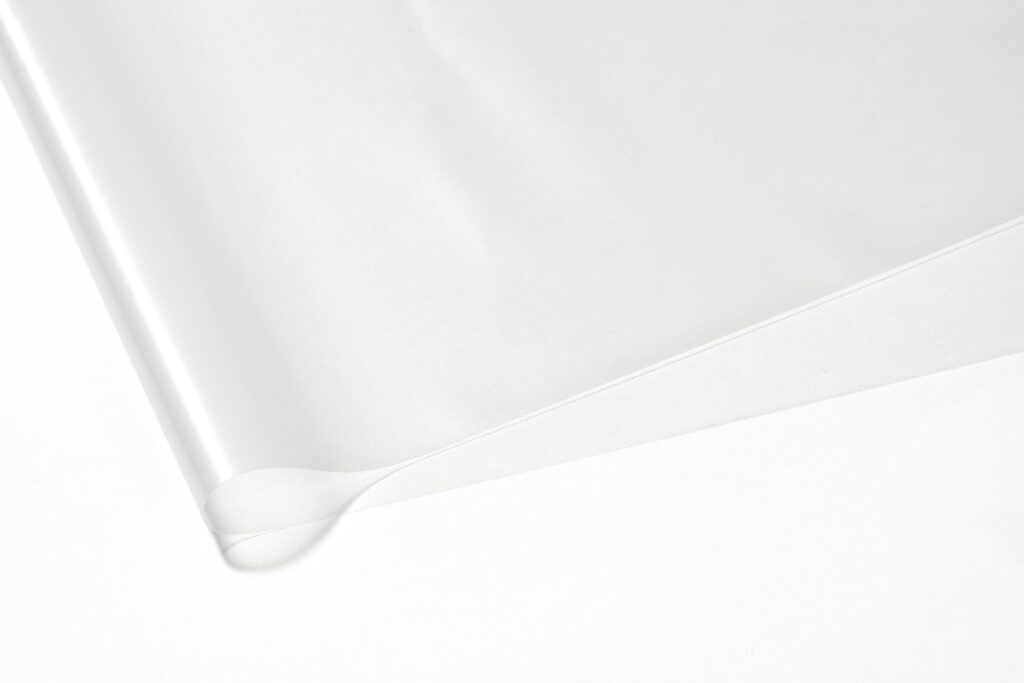
Thin film extrusion technologies are vital to the medical device industry, enabling more advanced, customizable, and effective tools for healthcare professionals. As the demand for more sophisticated medical devices continues to grow, these technologies and the material science behind them offer critical solutions to devices requiring specific properties such as flexibility, durability, smaller profiles, and […]
The Evolution of Structural Heart Innovations
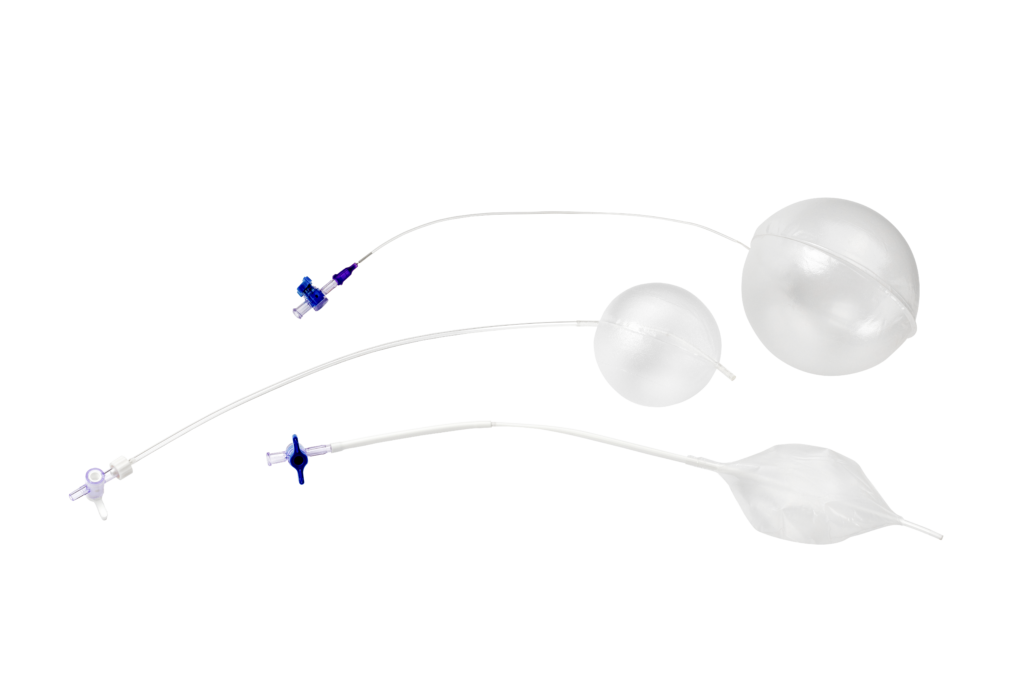
Structural heart innovations have transformed treatment for patients who once faced open heart surgery as their only option. As minimally invasive procedures like transcatheter aortic valve replacement (TAVR) gained ground, device developers began facing new engineering challenges to solve: smaller delivery systems, improved sealing performance and reliable manufacturability at scale without compromising quality or patient […]