

The Story of Solesis
See how Solesis has provided polymer and textile solutions that span uses from the bottom of the ocean to the moon.
Welcome to a journey of continuous innovation in textiles and polymers that has shaped healthcare and high-performance industries for over 80 years.

The 1940s
The 1940s marked the beginning of Solesis’ heritage, rooted in material engineering designed for real-world, life-saving challenges.
- Prodesco, Inc. (Product Design Company) was founded in 1943 by two professors from the Philadelphia College of Textiles & Science, who saw the need for advanced, purpose-built, and engineered fabrics during World War II.
- One of their earliest breakthroughs was a heat- and flame-resistant textile designed to save sailors caught in deadly shipboard fires—an innovation that set the tone for decades of life-protecting engineering.
- During this decade, they developed better materials for wartime necessities, including parachutes, tents, blankets, and tarps.

The 1950s
The 1950s were defined by rapid growth as the company matured from a niche fabric developer into a recognized engineering partner.
- Throughout the 1950s, Prodesco grew into one of the nation’s premier textile research and engineering firms.
- The company focused on developing scalable techniques to move from samples to large production runs, and it re-aligned practices to support emerging markets that required particular fabrics—often for unprecedented applications. This shift changed Prodesco’s perception from a sample maker to a creator.

The 1960s
In the 1960s, new industries—from aerospace to early medical devices—created opportunities for advanced material solutions.
- As space exploration began, Prodesco developed and produced the outer-layer fabric in the spacesuit worn by Air Force Major Edward H. White during the first American spacewalk of the Gemini program.
- The company developed other performance products for applications ranging from undersea operations to space exploration, including scuba diving suits for the military and fire-retardant flight suits.
- Prodesco began developing textiles for implantable medical applications, creating early implantable fabric structures for hernia mesh and open-repair vascular grafts.

The 1970s
The 1970s brought advancements in both biomedical materials and high-performance textiles for scientific and defense applications.
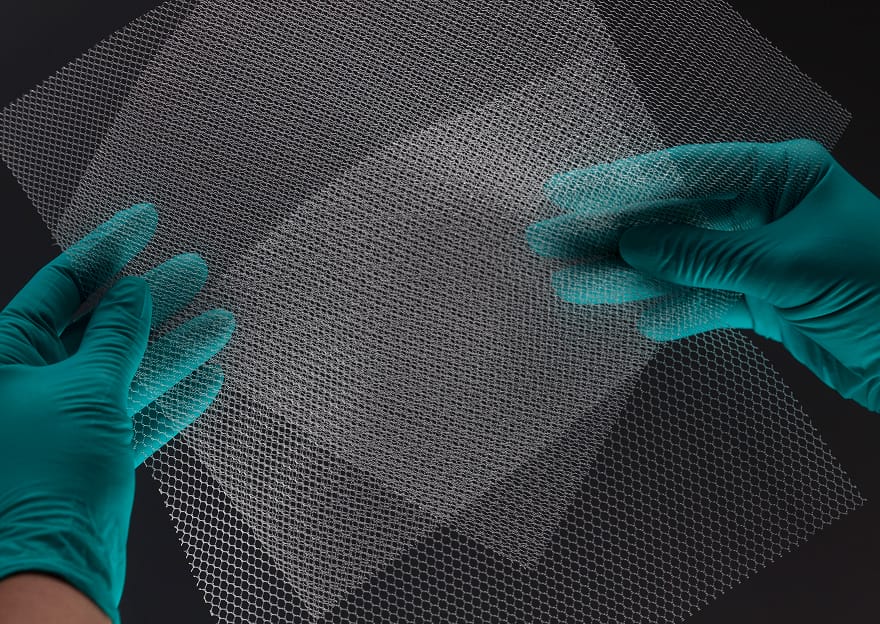
- Prodesco developed important biomaterial solutions, including 3D textile structures, the first resorbable mesh, and knitted hemostat materials.
- The company also developed and produced the primary reflector for a 14-foot high-gain antenna used to communicate on space missions for lunar transmissions between the moon and mission control on Earth.
The 1980s
During the 1980s, the company expanded into new medical and technical applications while laying the groundwork for future Solesis operations.
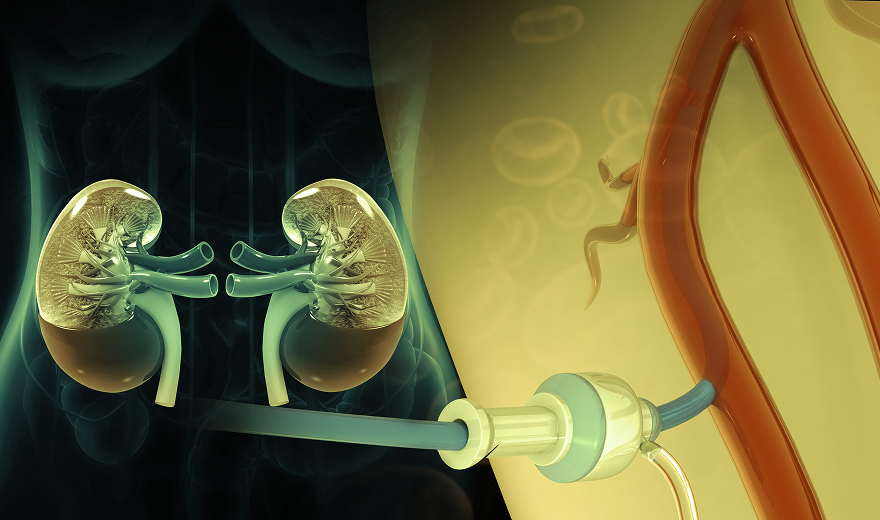
- Prodesco designed a fabric to withstand thermal and shock stress for exterior use on the space shuttle and engineered a textile filter media for kidney dialysis.
- Charter Medical’s story began as a manufacturer of blood transfusion and IV products, laying the foundation for what is now a Solesis subsidiary focused on single-use bioprocessing solutions.
The 1990s
The 1990s marked a turning point as the organization advanced its medical portfolio and broadened its polymer and textile expertise.
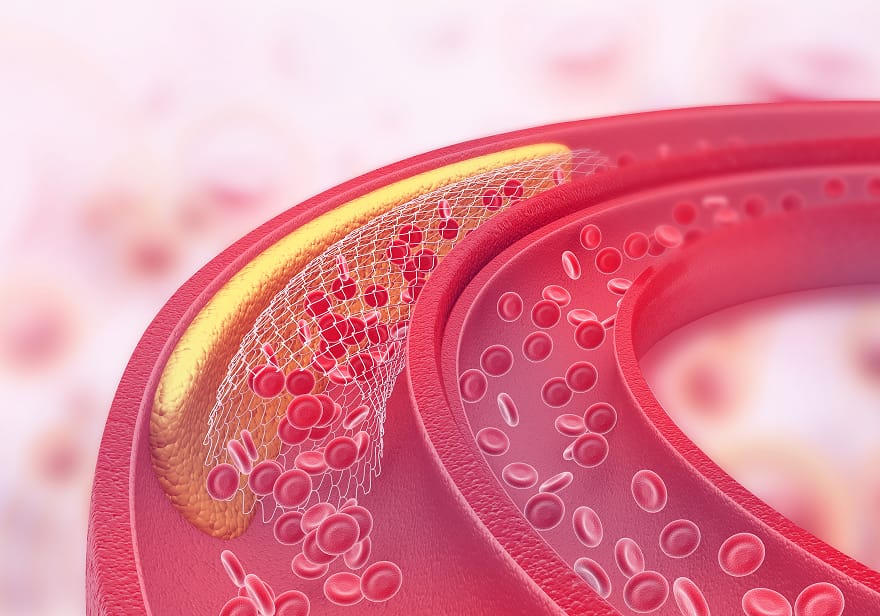
- Prodesco developed and manufactured key components for endovascular stent grafts and established its Medical Products Division. The company also supplied fabrics to assist in cooling the International Space Station.
- Polyzen, today a part of Solesis, was founded by Tilak M. Shah, one of the world’s leading polymer chemists, to serve the medical device industry with innovative material formulations and processing technologies.
The 2000s
In the 2000s, the company entered a phase of accelerated innovation and formalized its presence in the medical device marketplace.
- Prodesco designed a braided component for endovascular clot retrieval, developed a first-generation component for a transcatheter heart valve, and engineered a braided component for neurovascular flow diversion.
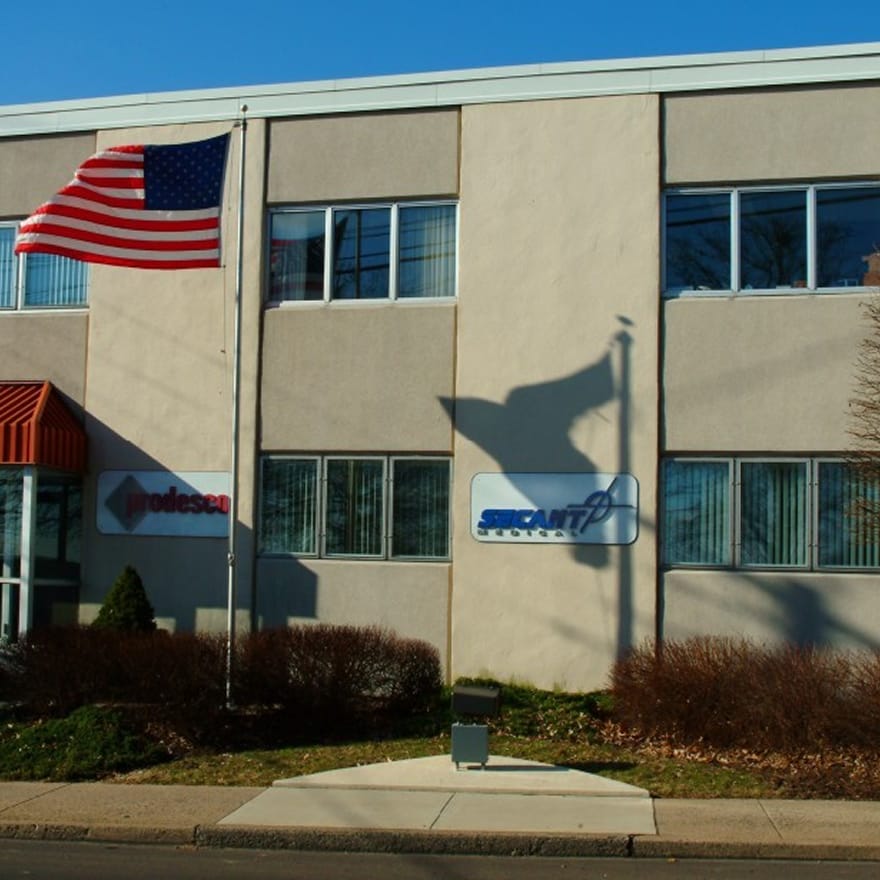
- Secant Medical, LLC, today a core subsidiary of Solesis, launched as a wholly owned subsidiary of Prodesco, Inc., and both were acquired by Fenner, PLC, officially entering the medical market.
- Charter Medical’s manufacturing site was relocated from Lakewood, New Jersey, to Winston-Salem, North Carolina, to expand its footprint.
- The company began building its portfolio of patents, starting with four during this decade.
The 2010s
The 2010s saw the integration of teams, technologies, and biomaterial innovations that would ultimately shape who Solesis is today.
- Prodesco and Secant Medical merge to form Secant Medical, Inc., focusing on Transforming Biomaterials for Life®. The company later reorganized into Secant Group, LLC, as the parent company of Secant Medical Components and Secant Technical Materials, with SanaVita Medical, LLC, operating as its contract manufacturing sister company.
- Solesis was established in 2011 as a division under Fenner, PLC. Over the course of the decade, it expanded its focus on regenerative medicine and tissue-engineering solutions for tissue-engineered vascular grafts (TEVGs) and resorbable polymers, launching Regenerez®, a bioresorbable elastomer. The organization continued its innovation with four additional patents during this decade.
- Solesis acquired Charter Medical for its strengths in regenerative medicine and cell therapy. It launched single-use solutions for therapy manufacturing, including Freeze-Pak™ bio-containers for cryogenic processing and FDA 510(k)-cleared and CE-marked Advect® Fluid Transfer Sets for biological fluid transfer. The team also continued developing fabrics for space exploration and communication.
- Michelin acquired Fenner, PLC, and Solesis, LLC.
The 2020s
The 2020s have represented a modern chapter characterized by global expansion, strategic acquisitions, and a deepened focus on healthcare.
- Altaris Capital Partners joined Michelin to acquire a majority stake in Solesis.
- Secant Group and Charter Medical began to focus primarily on medical solutions, while continuing to support performance applications such as aerospace, aviation/automotive, and defense.
- Polyzen was acquired by Solesis, bringing together Secant Group and Charter Medical technologies to support the MedTech and Biopharma markets.
- Charter launched DEHP-free products to address evolving regulatory landscapes and deliver safe materials for patients.
- The company worked diligently to develop 23 patents for novel biomaterial platforms and biomedical solutions, bringing the total number of patents to 31.
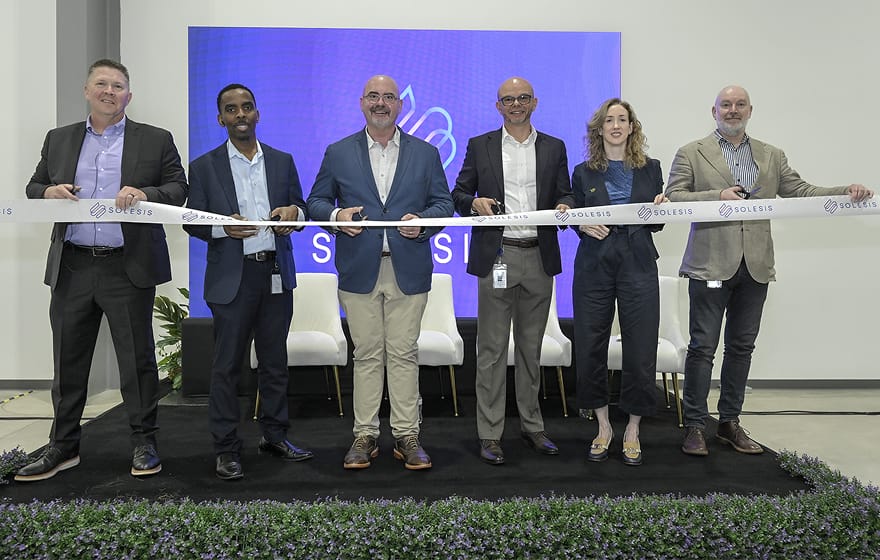
- Solesis also expanded outside of the United States, opening a manufacturing site in Costa Rica.
Partnering with Solesis’ Long History of Development
Bring your next-generation healthcare and performance materials innovations to life by partnering with Solesis. Together, we'll continue to innovate, grow, and make a meaningful impact on the world.